
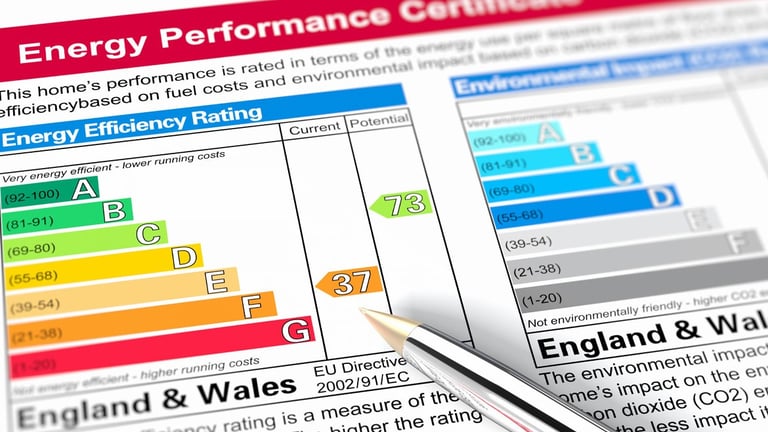
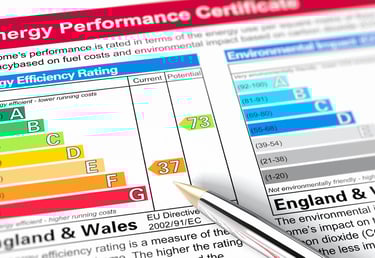
Comprehensive Home Energy Assessment: Analyzing Building Construction, Heating, and Insulation. Get a thorough assessment of your property's energy efficiency, covering everything from construction details to heating systems and insulation.
Our standard price covers properties with up to 6 bedrooms. For larger properties, please contact us for a personalized quote. Ensure your home is energy-efficient and save on utility costs.

What is an EPC & Why do I need it?
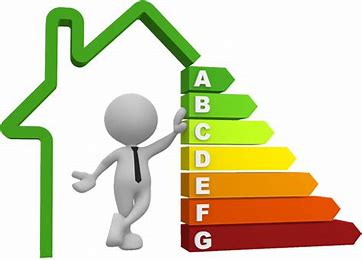
An Energy Performance Certificate (EPC) provides potential buyers or tenants with information about a building’s energy efficiency, helping them factor energy performance into their decision-making.
In the UK, all properties for sale or rent must legally have an EPC, except in specific cases where exemptions apply. If you believe your property qualifies, ensure you understand and document the exemption reasons according to regulations.
How long does it last?
Energy Performance Certificates (EPCs) have a validity period of 10 years and can be used repeatedly during that time frame. This means that a new EPC is not necessary with every change of tenancy or property sale, as long as the existing EPC is less than 10 years old.
In cases where multiple EPCs have been generated for the same property, the most recent EPC is considered the valid and relevant one for any transactions or assessments.
Do I need an EPC for my property?
An Energy Performance Certificate (EPC) is mandated when a building is constructed, sold, or rented out. According to the regulations, a building is defined as any roofed structure with walls that requires energy for indoor climate control. This definition also encompasses parts of a building that have been specifically designed or modified for separate use.
In summary, an EPC is necessary in the context of construction, sale, or rental of a building or its distinct parts that require energy for climate conditioning.
How does it help me?
Did you know your home’s value could be higher than you think? Homes with an EPC rating above C often sell for about 5% more than those rated D.
A better energy rating boosts market value and ensures a warm, dry indoor environment, reducing issues like dampness or mold. It also lowers utility bills, making your home more comfortable and enjoyable leading to a happier, healthier life.
Responsibility?
If you’re selling or renting out a property, it’s your responsibility as the owner or landlord to have a valid Energy Performance Certificate (EPC) ready. This must be shared with potential buyers or tenants before any agreement is signed. To get one, you’ll need to book an assessment with a certified Domestic Energy Assessor. They’ll inspect key features of your property, and the resulting certificate will show how energy efficient it is and where there’s room for improvement.
Curious about the cost of our services?
Follow the link below to see a full breakdown of our rates, everything you need to make an informed choice, with no surprises.
Why is a good EPC rating important for the future of my property?
As sustainability becomes a bigger priority, properties with strong EPC ratings are more than just a bonus, they’re key to long-term value and appeal. Energy-efficient homes attract eco-conscious buyers and tenants, offering lower bills and future-ready credentials. Investing in greener properties today helps secure your portfolio for tomorrow.
Common questions about Energy Performance Certificate
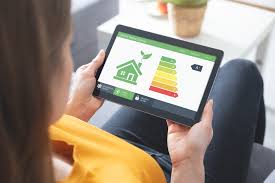
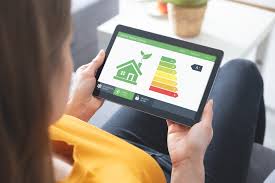
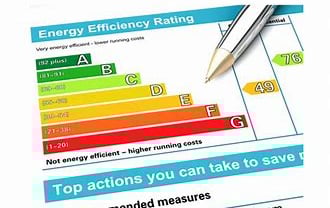
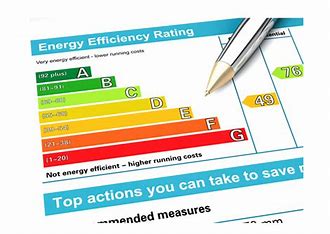
What is an EPC: Understanding Energy Assessment



Registered Office:
Hall Green, Birmingham, B28
Registered in England: 12466683
enquires@mearproperties.co.uk
0121 751 7771